Rekeying a house takes as long as needed to service and test every lock cylinder included in the job; there is no fixed duration that applies to every home. The useful estimate is the locksmith’s on-site work time for your specific locks, separate from the arrival window. Count the keyed cylinders, describe any problems, and ask for that estimate before scheduling.
- How long does it take to rekey a house? Cylinder count, lock condition, and access determine the work involved.
- Count keyed cylinders, not just doors; a keyed knob and separate deadbolt are separate locks.
- Rekeying changes which key operates a compatible lock; it does not repair worn hardware or a sticking door.
- Apex Lock N Key provides residential rekeying and 24/7 mobile locksmith service in Middlesex County, Massachusetts.
Why this matters
A short appointment estimate is only useful when it covers the whole job. Getting through a locked door, repairing damaged hardware, and making several locks work with one key are different tasks from straightforward rekeying.
Before booking in 2026, use this guide to prepare for a locksmith visit. A clear lock list helps the locksmith assess the work before arriving and gives you a better basis for planning your day.
Separate arrival time from completion time. A mobile locksmith’s arrival window tells you when service begins, not when every door will be ready to use.
How long does it take a locksmith to rekey a house?
The time depends on the cylinders being serviced and any additional work required. A house with accessible, functioning locks presents a different job from a house with missing keys, damaged cylinders, or incompatible hardware.
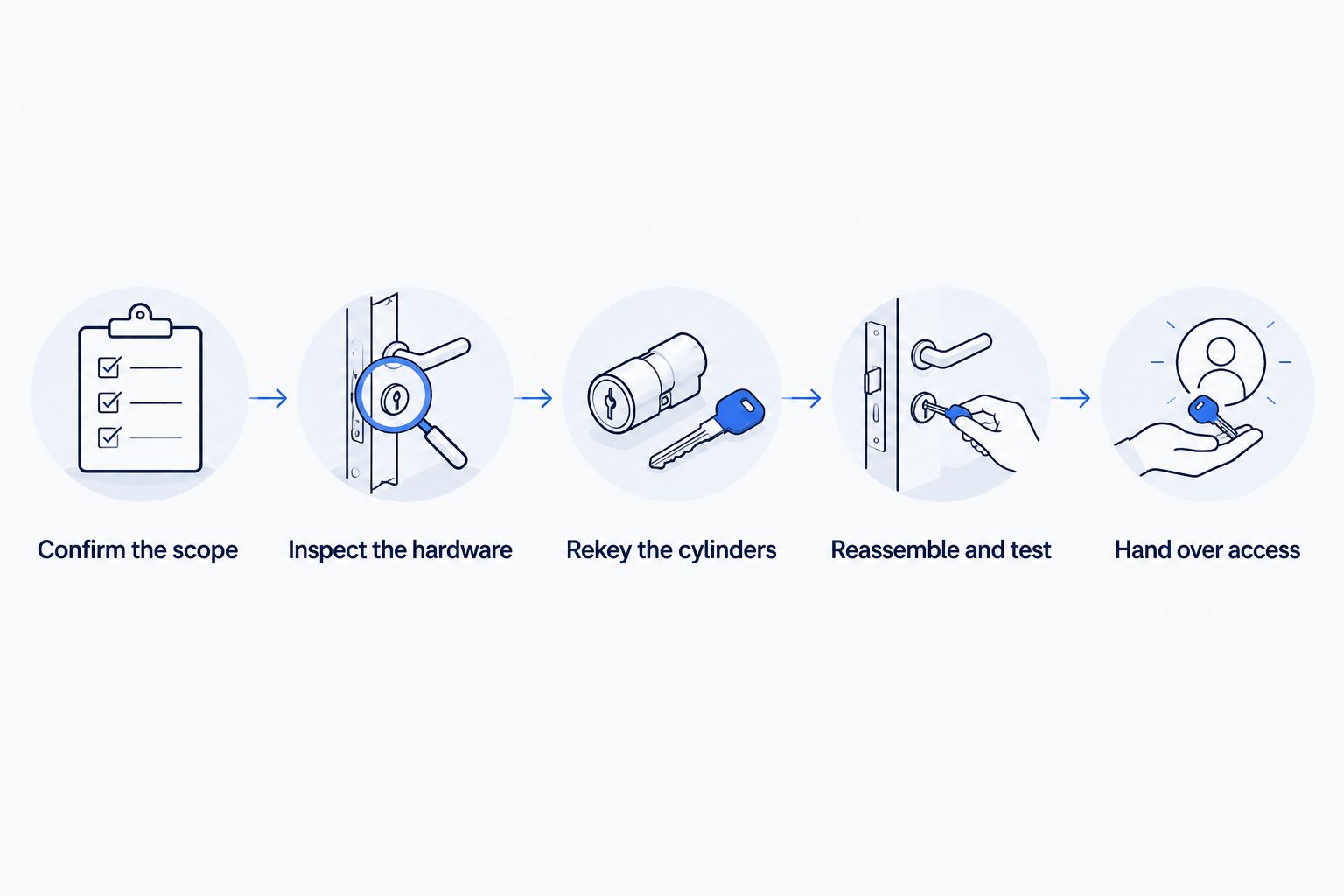
Ask the locksmith to explain the appointment in these stages:
- Confirm the scope. Identify the doors, keyed cylinders, and people authorized to approve the work.
- Inspect the hardware. Check operation, condition, and whether the requested key arrangement is possible.
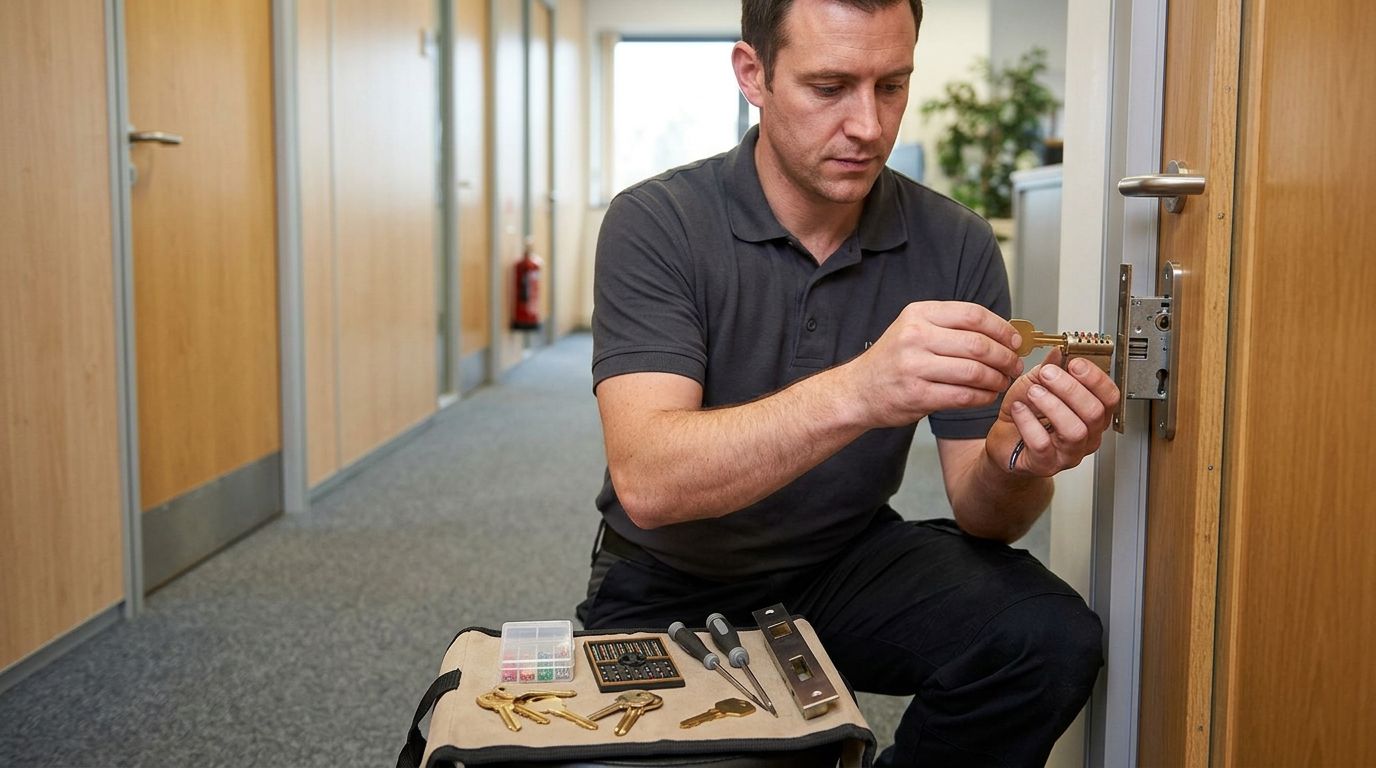
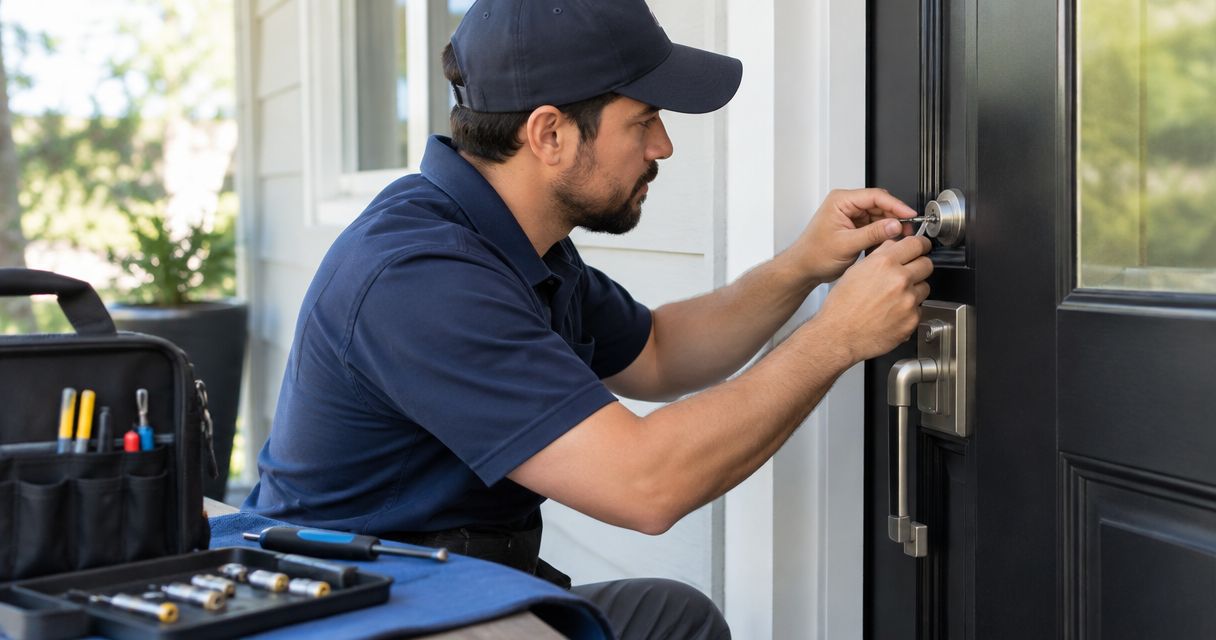
- Rekey the cylinders. Change the internal keying components so the intended new key operates each compatible lock.
- Reassemble and test. Check the keys and lock operation before considering the work complete.
- Hand over access. Confirm which key operates which door and account for the new copies.
These stages describe the work, not a promised schedule. For a 2026 appointment, ask for an estimate that includes inspection, reassembly, and testing rather than cylinder work alone.
A useful booking question is: Does your estimate include every keyed cylinder, any necessary entry work, and the final door checks? That question establishes the scope without relying on an unsupported whole-house average.
Count cylinders before asking for an estimate
Count the places where a key enters, not simply the doors. A door with a keyed knob and a separate keyed deadbolt has 2 lock cylinders to discuss, even though it is only 1 door.
Walk through the exterior entrances and write down what you find. Include side doors, basement entrances, and the door connecting an attached garage to the living area if those locks belong in the job.
For each entrance, note:
- Whether the knob or lever takes a key.
- Whether a separate deadbolt takes a key.
- Whether a working key is available.
- Whether the key turns freely.
- Whether the door must be lifted, pushed, or pulled to lock.
A double-cylinder deadbolt has keyed operation on both sides. Tell the locksmith what you have rather than assuming it counts the same as a deadbolt with an inside thumbturn.
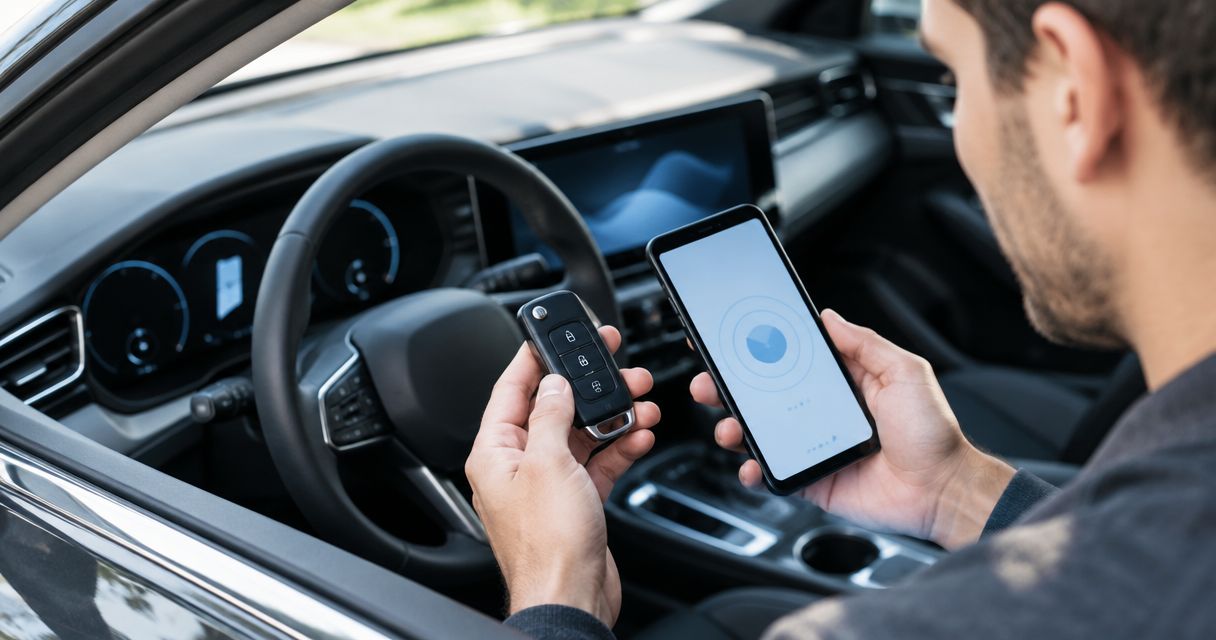
Do not include a garage remote, keypad code, or padlock under a vague request to “change all the keys.” Name those separately. Different access devices require different work, and not every device can share a house key.
Why house rekeying time varies
These factors explain why a locksmith needs more than your bedroom count or house size to assess the appointment:
- Cylinder count. Each cylinder included in the job needs attention and a final operational check.
- Hardware design. Locks use different cylinder designs and disassembly methods; the same procedure does not fit every lock.
- Working-key access. A working key helps establish how a lock currently operates. Missing keys change the starting point.
- Condition. Corrosion, damaged parts, and worn hardware require assessment beyond changing the keying.
- Key compatibility. Locks must have compatible keyways and suitable mechanisms to operate with the same key.
- Door operation. A latch or deadbolt that binds against the frame presents a separate problem from who holds a working key.
When requesting a 2026 estimate, report these details before the appointment. Clear photos of the inside and outside hardware help identify what needs closer inspection, but they do not replace an on-site check.
Straightforward rekeying: keep functioning hardware
Best for: homeowners who want different keys while keeping suitable, working locks. Rekeying changes the lock’s internal keying so the previous operating key no longer works in that rekeyed cylinder.
The advantage is that you retain the existing hardware. The limitation is equally important: rekeying does not add strength to a damaged door, restore a worn latch, or automatically change electronic access credentials.
Tell the locksmith why you want the work done. Moving in, losing a key, or changing who has permission to enter helps define which access points need attention.
If a lock is already difficult to use, say so before requesting rekeying alone. A new key should not be treated as the cure for every mechanical problem.
Rekeying several locks to one key: check compatibility first
Best for: homeowners who want simpler access across compatible locks. A shared key can reduce the number of keys you carry, but matching key operation depends on the hardware already installed.
Two locks that look similar are not necessarily compatible. A locksmith needs to check the keyways and cylinder systems before confirming a single-key arrangement.
The benefit is convenience. The limitation is that incompatible locks require a different plan if you want every selected door to use the same key.
Decide whether convenience or separate access matters more. You might want household entrances keyed alike while keeping a workshop or other restricted room separate; explain that preference before the work starts.
Rekeying or replacing: choose the job that solves the problem
Rekeying and replacement solve different problems. Choose rekeying for a key-control problem when the hardware remains suitable; discuss replacement when the lock itself needs changing.
| Option | Best for | What it changes | Main limitation |
|---|---|---|---|
| Rekeying | Keeping suitable hardware while changing key access | The internal keying of a compatible cylinder | Does not correct damaged hardware or door alignment |
| Lock replacement | Changing damaged, unsuitable, or unwanted hardware | The lock assembly or selected components | Fit and door preparation need checking |
| Rekeying with door adjustment | Addressing key access and a binding door together | Keying plus the identified fit problem | Requires more work than rekeying alone |
Do not ask for the fastest option without explaining the problem. A quick rekey leaves an existing alignment issue untouched if door adjustment is outside the agreed work.
For your 2026 booking, describe the result you need: old keys disabled, selected doors on one key, or damaged hardware addressed. That gives the locksmith a clear outcome to assess.
How can I help a locksmith finish without avoidable delays?
Prepare the work area and make the access decisions before the appointment. You do not need to take locks apart.
- Clear the doors. Move furniture, storage, and decorations away from the hardware.
- Gather existing keys. Label which door each key operates, including keys that stick or work inconsistently.
- Confirm authorization. Ask what documentation the locksmith requires and have it ready.
- Set the key plan. Decide which compatible doors should share a key and which should remain separate.
- Identify every entrance. Do not leave a basement or side entrance out of the discussion.
- Keep children and pets clear. The technician needs room to work and test door operation.
If you rent, obtain the necessary permission before arranging changes. Shared entrances and building-managed locks need coordination with the person responsible for that access.
Avoid dismantling hardware just to save appointment time. Loose parts and an unsecured doorway create problems before the locksmith has assessed the lock.
Does being locked out change the rekeying appointment?
Being locked out adds an entry problem before the locksmith can assess and service the locks. Tell the dispatcher whether you can get inside and whether any working keys remain.
Do not describe a lockout as rekeying alone. Entry, cylinder assessment, and the key change need to be understood as separate parts of the requested service.
If someone faces immediate danger inside, contact emergency services rather than waiting for a routine locksmith appointment. Safety takes priority over changing the keys.
Can I stay home while the locks are rekeyed?
You can discuss staying home while the locksmith works, provided the doors and hardware remain accessible. Arrange a clear route through the work area and tell everyone in the household which entrances are being serviced.
Keep the new keys available during final testing. Do not leave through an affected door and assume an old key will still let you back in.
Arrange residential rekeying in Middlesex County
Apex Lock N Key provides licensed residential rekeying and 24/7 mobile locksmith service in Middlesex County, Massachusetts. Explain your cylinder count, access situation, and any sticking locks when requesting service.
Apex Lock N Key is suited to Middlesex County homeowners seeking licensed mobile residential rekeying. Confirm the arrival window and the expected on-site work separately; round-the-clock service does not establish how long your particular job will take.
Arrange your house rekeying
Describe your locks, working keys, and access needs before confirming the appointment.
FAQ
How long does it take to rekey a house in 2026?
House rekeying time depends on the cylinder count, hardware condition, access, and requested key arrangement. Ask for an on-site work estimate based on those details, separate from the locksmith’s arrival window.
Does a deadbolt and a keyed doorknob count as one lock?
A separate keyed deadbolt and keyed doorknob have separate cylinders to assess. Describe both when requesting an estimate, even though they are installed on the same door.
Can a locksmith rekey my house if I lost all the keys?
Missing keys do not automatically rule out rekeying, but the locksmith must assess access and the lock design. Tell the dispatcher whether you are locked out and whether any working keys remain.
Can every lock in my house use the same key?
Not every lock can use the same key because keyways and cylinder systems must be compatible. Ask the locksmith to check compatibility before agreeing on a whole-house key plan.
Will rekeying fix a deadbolt that sticks?
Rekeying does not correct door alignment or repair every worn component. Describe when the deadbolt sticks so the locksmith can distinguish a cylinder problem from a door-fit problem.
Do I need to replace my locks after buying a house?
Replacement is not automatically necessary when the existing locks are suitable and working properly. Rekeying addresses previous key access, while damaged or unsuitable hardware needs a separate assessment.
Does Apex Lock N Key offer overnight residential locksmith service?
Apex Lock N Key provides 24/7 mobile locksmith service in Middlesex County, Massachusetts. Confirm the arrival window and the scope of residential rekeying when requesting assistance.
One last thing
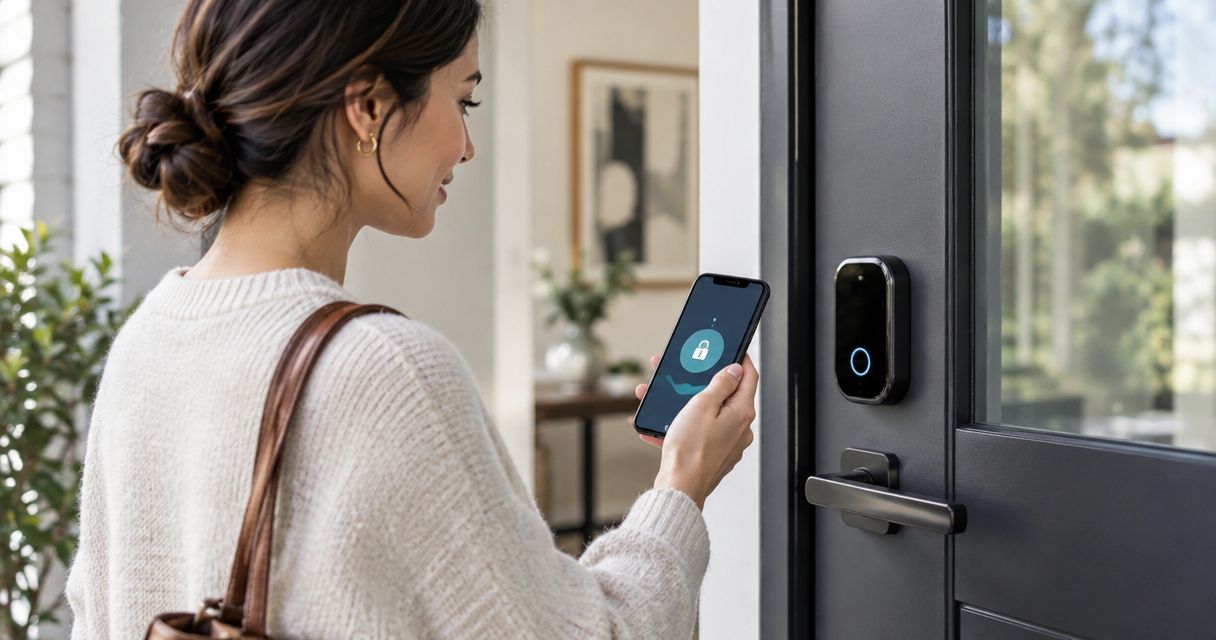
Rekeying a cylinder changes key access, not every way into your home. If you are reviewing household security in 2026, also review keypad codes, garage remotes, smart-lock users, and keys kept in lockboxes.
Finish with a practical handover: test each new key, confirm which doors it operates, and store or label copies deliberately. The useful endpoint is controlled access and working doors—not simply a technician finishing the cylinder work.