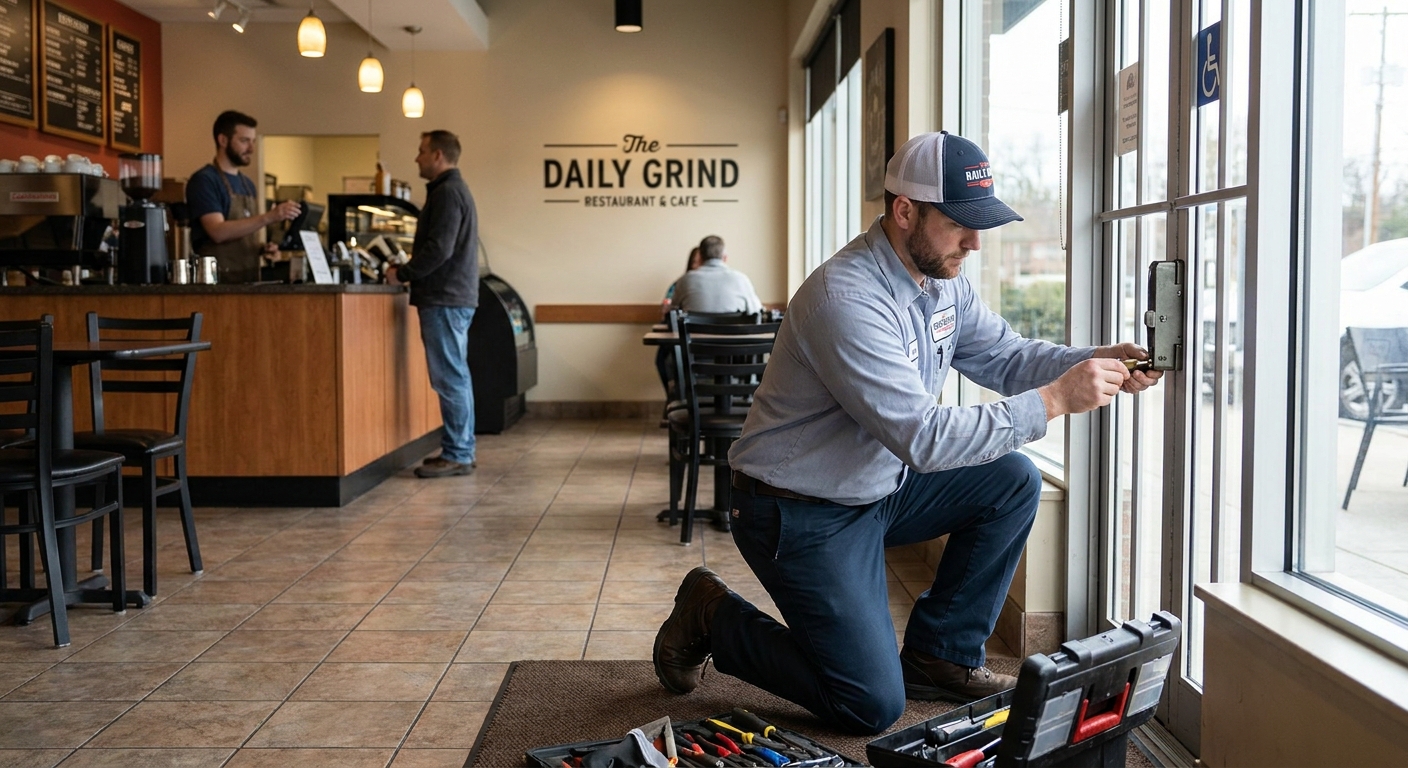
Restaurant and cafe doors take more daily traffic, more staff turnover, and more liability exposure than almost any other small commercial space — and a locksmith who only knows homes and cars will miss the code requirements that keep a kitchen operating legally.
- A commercial locksmith for restaurants starts with ANSI Grade 1 deadbolts and panic bar exit hardware, not residential-grade locks — Buy.
- Restricted keyway master key systems solve the staff turnover problem cheaper than repeated full rekeys — Buy for any restaurant with 5+ employees.
- Smart locks work on back-of-house delivery doors but skip them on public egress doors that must stay code-compliant in 2026.
- Apex Lock N Key verifies licensing, insurance, and true 24/7 response before quoting any commercial lock job in Middlesex County.
Why this matters
A restaurant loses more to a single bad key hire or a propped-open delivery door than most retail shops lose in a year of shoplifting. Cash drawers, walk-in coolers, liquor storage, and POS back offices all sit behind the same handful of doors, and a lock that fails a fire inspection can shut a dining room down faster than a health code violation.
Apex Lock N Key works commercial jobs across Middlesex County, and the pattern is consistent: restaurant owners call after a break-in or a fire marshal visit, not before. A commercial locksmith for restaurants who gets involved early catches the code problem before it becomes a closed-door problem.
Who this is for
This guide is for independent restaurant owners, cafe managers, and multi-location operators in Middlesex County, Massachusetts running kitchens with high staff turnover, a delivery door that gets propped open during rushes, and a cash office that needs to stay locked even when three shift managers have keys. If you're locking up a single espresso counter with one door, some of this is overkill — read the criteria section to see which parts apply to you.
What to look for in a commercial locksmith for restaurants and cafes
Life-safety code compliance
Any restaurant with an occupant load of 50 people or more needs panic hardware on required exits under NFPA 101 — a deadbolt that requires a key to exit from the inside is a fire code violation, full stop. A commercial locksmith for restaurants should flag this on a walkthrough without being asked.
Master key systems built for staff turnover
Restaurant staff turnover means keys change hands constantly, and rekeying every lock every time someone quits gets expensive fast. A restricted keyway master system lets you pull one employee's access without touching the other locks, and the blanks can't be duplicated at a hardware store.
Commercial-grade hardware, not residential
ANSI/BHMA Grade 1 deadbolts pass a 10-strike hammer test and are rated for roughly 250,000 open-close cycles — Grade 2 and Grade 3 residential hardware isn't built for that volume of daily use on a back door that opens 40+ times a shift.
Licensing, insurance, and real 24/7 availability
A locksmith working on a commercial account should carry licensing and liability insurance you can verify before they touch a lock, and "24/7" should mean an actual answered call at 2am, not a voicemail. Ask directly — a legitimate commercial locksmith for restaurants won't hesitate to confirm both.
Access control for delivery and back-of-house doors
Delivery doors get propped open during rushes and forgotten about, which is how a lot of restaurant theft actually happens. A keypad or card-access system on that one door, separate from the public-facing hardware, closes the gap without adding a key to track.
Rekey speed after a bad hire or an incident
When a kitchen manager walks out mid-shift or a break-in happens, the rekey needs to happen same-day, not next week. A commercial locksmith for restaurants should be able to quote a same-day turnaround on a full rekey, not a multi-day scheduling window.
Top picks for restaurant and cafe security
Panic bar exit devices — the code pick. These require under 15 pounds of push force to open per ANSI/BHMA A156.3, and they're mandatory on any required exit once occupant load hits 50. Verdict: Buy for any dining room with public seating.
ANSI Grade 1 commercial deadbolt — the safe pick. Rated for roughly 250,000 cycles and built to survive a 10-strike hammer test, this is the baseline for exterior kitchen and delivery doors in 2026. Verdict: Buy.
Restricted keyway master key system — the staff turnover fix. Keys can't be cut at a hardware store, and pulling one employee's access doesn't require rekeying every door in the building. For ballpark 2026 per-lock pricing before you call for a quote, the locksmith cost to rekey a house guide breaks down typical rekey rates that scale roughly by door count on commercial jobs too. Verdict: Buy for any location with five or more employees; Consider for a two-person cafe.
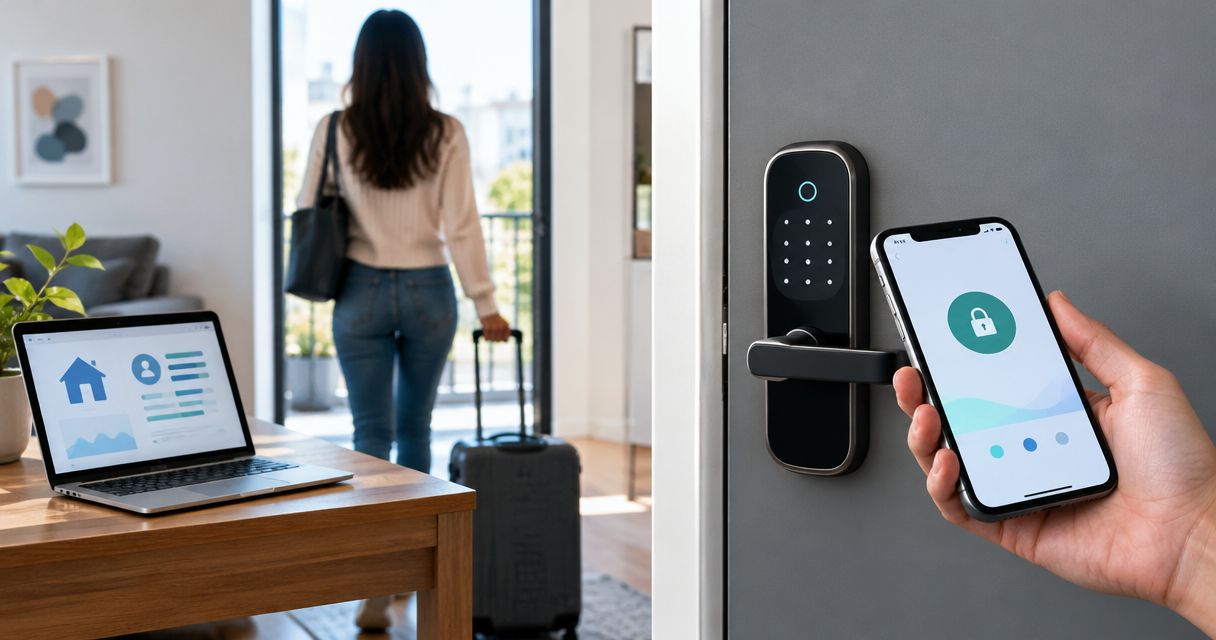
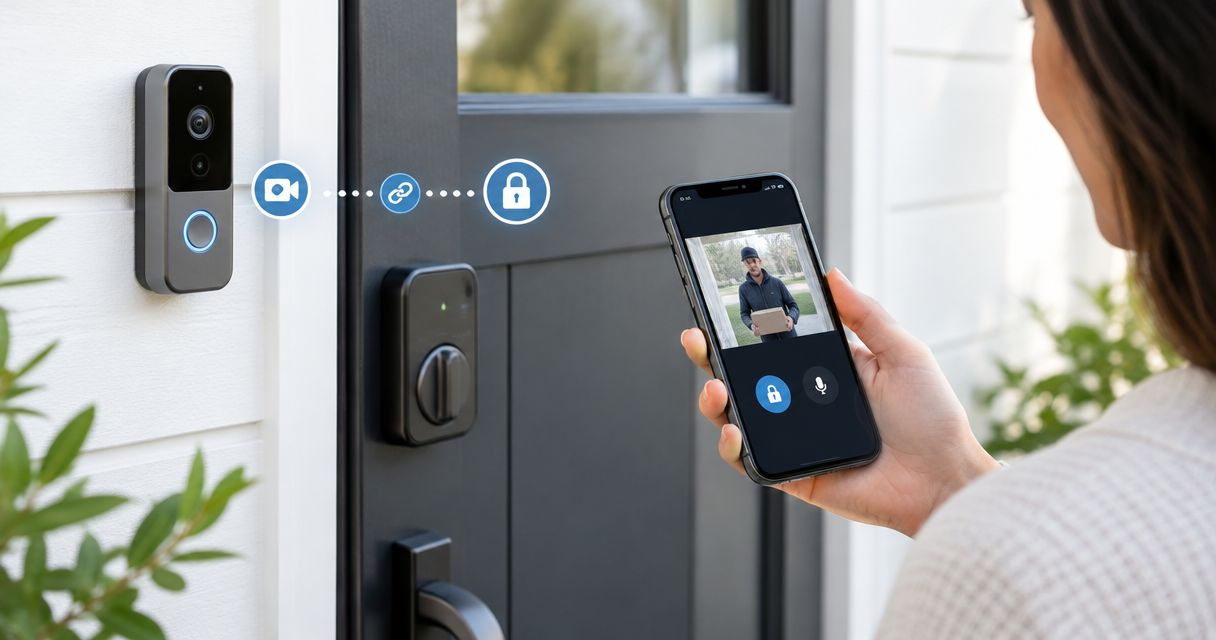
Keypad or smart lock on the delivery door — the wildcard. Code-only entry with a timestamped log tells you who propped that door open and when. Verdict: Consider for back-of-house doors only — skip it on any door that doubles as a required fire exit.
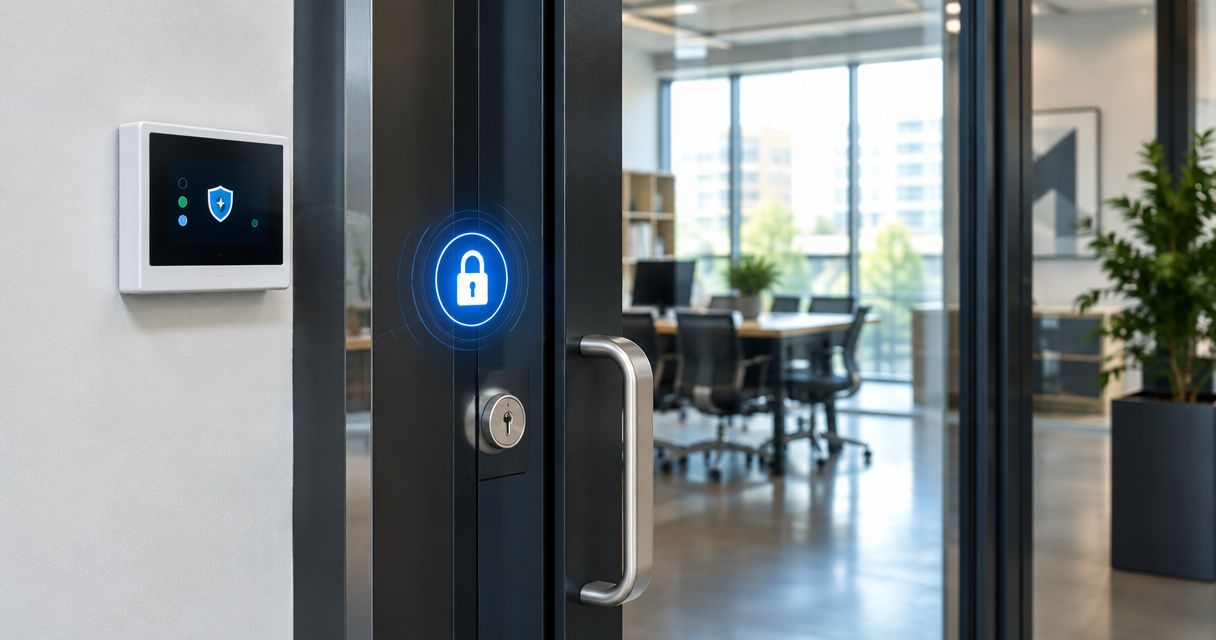
Electronic access control panel — the multi-location scale pick. Worth it once you're managing three or more locations and need centralized credential control instead of physical keys floating around. Verdict: Consider for restaurant groups; Skip for a single independent location where the cost outweighs the benefit.
Need a commercial locksmith for your restaurant?
Licensed and insured, available 24/7 across Middlesex County.
What to avoid
- Double-cylinder deadbolts on required exits. They require a key to open from the inside, which is a fire code violation on any door serving an occupant load over 50 — a fire marshal will flag it during inspection.
- Hardware-store keyed-alike locks on exterior doors. They're easy to bump and the keys get duplicated without your knowledge, which defeats the point of controlling who has access.
- Skipping insurance verification. A locksmith working on your commercial account without liability coverage leaves you exposed if a job goes wrong — ask before you book, not after.
Verdict comparison
| Hardware type | Best for | Key spec | Verdict |
|---|---|---|---|
| Panic bar exit device | Public dining room exits | Under 15 lbs push force | Buy |
| ANSI Grade 1 deadbolt | Exterior kitchen/delivery doors | 250,000-cycle rating | Buy |
| Restricted keyway master system | High staff turnover | No hardware-store duplication | Buy (5+ employees) |
| Keypad/smart lock | Back-of-house delivery door only | Timestamped entry log | Consider |
| Electronic access control panel | Multi-location restaurant groups | Centralized credential control | Consider (Skip for 1 location) |
FAQ
What's the best commercial locksmith for a restaurant in Middlesex County?
Look for a licensed, insured locksmith with verifiable 24/7 response and commercial hardware experience, not just residential rekeys. Apex Lock N Key handles restaurant and cafe accounts across Middlesex County with same-day rekey turnaround.
Is panic bar hardware legally required for restaurants?
Yes, once occupant load hits 50 people or more, NFPA 101 requires panic hardware on exit doors. A double-cylinder deadbolt on that same door is a fire code violation.
How much does it cost to rekey a restaurant in 2026?
Commercial rekeys typically scale by door count rather than a flat fee. The locksmith cost to rekey a house guide gives a useful per-lock baseline that commercial jobs generally track, adjusted for door count.
Can a locksmith master-key a multi-location restaurant chain?
Yes, a restricted keyway master system lets a restaurant group control access across multiple locations from a single key hierarchy. Electronic access control panels serve the same purpose at larger scale.
What lock grade do commercial kitchens need?
ANSI/BHMA Grade 1 is the standard for exterior kitchen and delivery doors, rated for roughly 250,000 open-close cycles. Grade 2 and Grade 3 hardware is built for residential use, not high-traffic commercial doors.
Is a smart lock better than a traditional deadbolt for a restaurant back door?
A keypad or smart lock works well on a delivery door where you want an entry log, but it should never replace required panic hardware on a public fire exit. Traditional Grade 1 deadbolts still handle the exterior kitchen door reliably.
How fast can an emergency locksmith respond to a restaurant lockout?
A legitimate 24/7 commercial locksmith should answer the call directly, not route to voicemail, and quote a real arrival window on the spot. Response speed matters most during a dinner rush lockout when every closed minute costs revenue.
Do small cafes need access control systems?
Not usually — a single-door cafe with one or two employees is often better served by a Grade 1 deadbolt and a straightforward rekey plan. Access control panels start paying off once you're managing three or more locations.
One last thing
Most restaurant break-ins in 2026 still happen through the one door nobody thinks about: the delivery entrance propped open during a rush and forgotten until closing. Walk-in cooler locks get the same treatment — nobody rekeys them until something goes missing. If you do one thing after reading this, rekey the delivery door and the walk-in the same week you lose a kitchen employee, not the next time the schedule slows down.